Regular exposure to loud sounds from machinery, training exercises and combat environments can have lasting effects on hearing, even years after service has ended. These challenges often persist over time, influencing how veterans communicate and engage in daily life. Understanding the connection between military noise exposure and long-term hearing changes can help veterans and their families recognize the importance of continued hearing care.

Many veterans may not immediately connect their current hearing difficulties to past experiences in noisy settings. Because these effects often develop slowly, regular hearing evaluations and early discussions about changes in hearing are especially important. Recognizing these patterns allows veterans to take steps that protect their hearing and ensure they receive the care and resources suited to their needs.

How the Ears Work and What Leads to Hearing Loss

The ear moves sound from the environment to the brain. Sound waves enter through the outer ear and cause the eardrum to vibrate. These vibrations pass through three small bones in the middle ear, which help transfer sound into the cochlea. Inside the cochlea, thousands of small hair cells react to different sound frequencies and send signals through the auditory nerve to the brain. The brain then interprets those signals, allowing you to make sense of speech, environmental sounds and other everyday noises.

Hearing loss occurs when part of this system no longer functions properly. The most common cause involves damage to the hair cells inside the cochlea, which can result from long-term noise exposure, aging, illness or certain medications. Once these cells are damaged, they cannot repair themselves, which can lead to lasting hearing changes. Other causes, like earwax buildup or middle ear infections, can also affect how sound travels through the ear. Understanding how hearing works makes it easier to recognize when something is changing and when to seek professional care.

Loud Noise Hazards Veterans Face During Service

Military service often involves exposure to extremely loud noises, including gunfire, explosions, aircraft engines and heavy equipment. These sounds are much more intense than what most people encounter in daily life. Repeated or sudden exposure to high noise levels can damage the tiny hair cells inside the inner ear. Once these cells are harmed, hearing loss may develop and cannot be reversed. Using protective measures during loud activities is an effective way to support long-term hearing health.

Effects of Ongoing Noise Exposure in the Military

Prolonged exposure to loud noise is a routine part of military life and can have lasting effects on hearing. Repeated contact with sounds from machinery, aircraft, gunfire or explosions can wear down the delicate structures inside the ear that process sound. Over time, this damage can cause difficulty understanding speech, sensitivity to certain noises or a persistent ringing known as tinnitus. Many veterans find these changes affect daily communication and concentration, sometimes long after their service has ended. Recognizing how noise exposure builds up over time helps explain why hearing loss is so common among those who have served in the military.

Impact of Blast Injuries on Hearing

Blast injuries are a frequent cause of hearing loss among veterans. Explosions create shock waves that can damage the ear canal, eardrum and inner ear structures. Even without visible injury, the force from a blast can harm the cells responsible for sending sound signals to the brain. Veterans who have been near explosions may notice sudden changes in hearing or ongoing problems with balance and sound clarity.

Communication Challenges After Service

Hearing loss can make daily communication more difficult. You might find it challenging to follow conversations in group settings or noisy places, which can lead to frustration or withdrawal from social activities. These difficulties may affect relationships with family, friends and coworkers. Adopting new communication strategies, like using visual cues or assistive devices, can help you stay connected and engaged in your community.

Noticing Early Changes in Hearing After Military Service

After military service, you might observe small changes in your hearing. These could include needing to turn up the TV, asking others to repeat themselves or struggling to hear in places with background noise. Recognizing these early signs is important because addressing hearing loss early helps you access the right support.

If you notice any changes, keep a record and share them with an audiologist. Early action can make a difference in how well you manage your hearing health over time. Staying aware of your hearing helps protect your quality of life and keeps you connected with those around you.

Ways Veterans Can Protect Their Hearing Health

Protecting hearing health is especially important for veterans who have spent years in noisy environments. One of the most effective steps is to use hearing protection whenever possible, even after military service has ended. Earplugs or noise-reducing earmuffs can make a significant difference in preventing further damage. It’s also helpful to take breaks from loud settings and keep the volume at safe levels when listening to music or watching television. Small habits like these can go a long way in preserving your hearing.

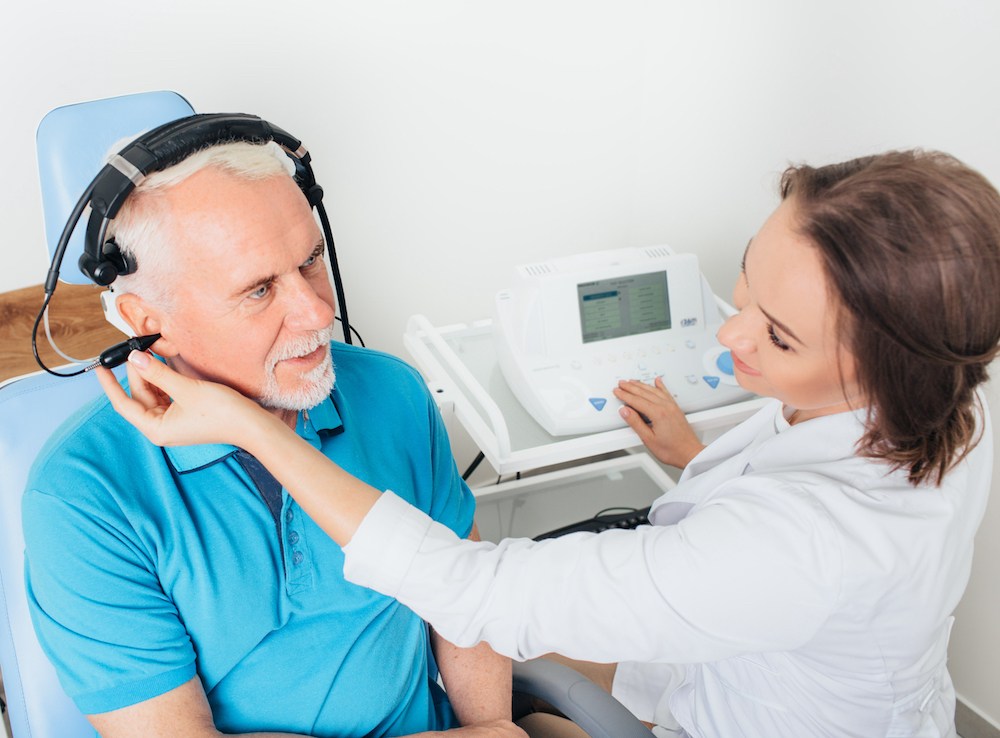
Regular hearing evaluations are another key part of maintaining long-term hearing health. Scheduling checkups with an audiologist allows for early detection of any changes and ensures that existing hearing loss is properly managed. For veterans already experiencing hearing challenges, hearing aids or assistive devices can help improve communication and reduce listening fatigue. Staying proactive and informed, it becomes easier to manage hearing changes and maintain better overall communication and quality of life.

Support and Assistance for Veterans Living with Hearing Loss

Veterans living with hearing loss have access to several support programs and resources. Many organizations offer information, counseling and financial assistance for hearing devices to those who qualify. These services are designed to make daily life easier and help you stay connected with loved ones.

Connecting with an audiologist is a good first step if you have questions or need guidance about your hearing health. You can also ask about local support groups or veteran-focused programs in your area. If you think you might benefit from extra support, reach out to learn about available options.

Better Hearing Health for Veterans

Veterans experience higher rates of hearing loss due to the unique noise hazards faced during service. Recognizing early signs and understanding the lasting effects can help you take steps to protect your hearing and seek support when needed.

If you have served in the military and have concerns about your hearing, consider scheduling a visit with an audiologist. Regular checkups can help identify changes early and provide access to helpful solutions like hearing protection or devices. Taking action now can improve your daily life, help you stay connected with others and support your long-term hearing health.