Online hearing tests have become a popular way to check for signs of hearing loss from the comfort of your home. These digital tools offer quick results and easy access, making them appealing if you are curious about your hearing health.

While online tests can provide some basic information, they do not replace a full evaluation with a trained professional. Understanding what these tests can and cannot do will help you make informed choices about your hearing care.

Let’s look at how online hearing tests work, what they offer and where their limits lie.

What is an Online Hearing Test?

An online hearing test is a digital tool that allows you to check your hearing from home using a computer, tablet or smartphone. During the test, you typically listen to a series of tones or words through headphones and indicate when you hear them.

Some tests also measure how well you can understand speech in background noise. The goal is to give a general idea of your hearing ability and highlight any potential changes that may need further attention.

While these tests are convenient and easy to access, they are not a replacement for a full evaluation by an audiologist, who can provide a more thorough assessment and personalized guidance.

What Online Hearing Tests Can and Cannot Do

Online hearing tests are designed to give you a simple overview of how well you hear certain sounds or tones. They are helpful if you want a basic check for possible signs of hearing loss before seeing an audiologist.

Here is what online hearing tests can do:

  • Measure your ability to hear different pitches and volumes using headphones or speakers.
  • Provide immediate feedback based on your responses.
  • Suggest if your results show possible signs of hearing loss.

Online tests also cannot check the health of your ears or identify physical issues that might affect your hearing. Only a trained professional can perform these checks and recommend the best next steps for you.

The Importance of Proper Testing Environments

Where you take an online hearing test can influence your results.

Background noise from televisions, conversations or traffic can make it harder to hear the test sounds clearly. Using low-quality headphones or speakers may also affect how the tones sound, leading to results that do not reflect your true hearing ability.

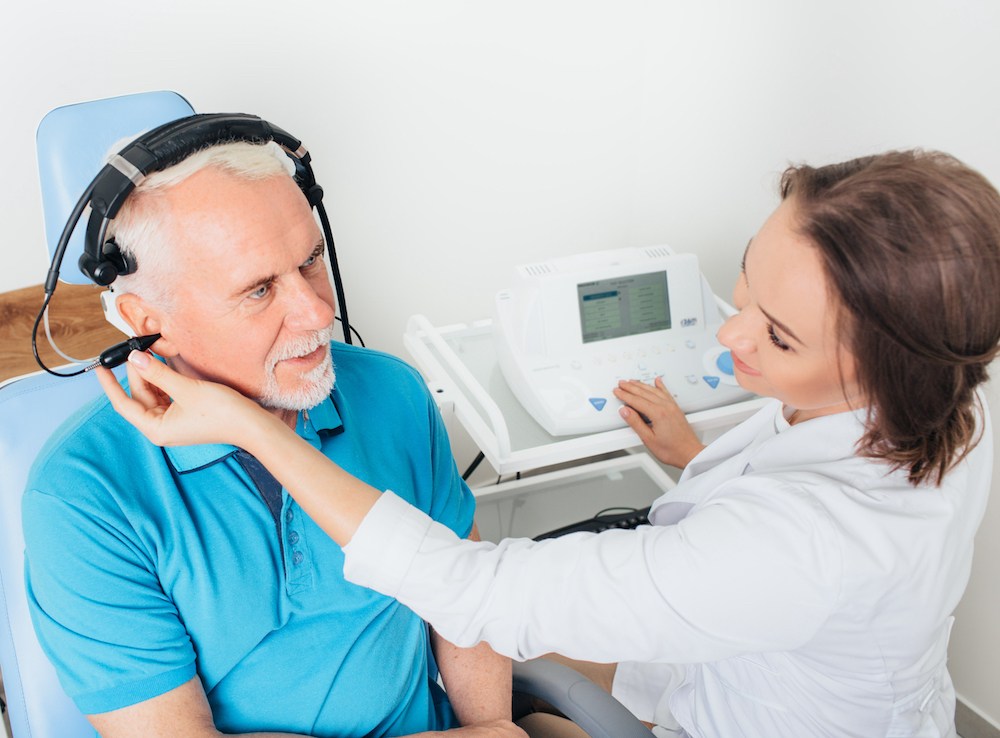
For better accuracy, take online hearing tests in a quiet room and use good-quality headphones. Even with these steps, online tests cannot match the controlled environment and equipment used by an audiologist during an in-person evaluation.

Privacy and Data Concerns with Online Hearing Tests

Many online hearing tests request personal information before providing results. This may include your name, age, email address or phone number. Some websites may use this information for marketing or share it with other companies.

Before starting an online test, review the privacy policy to understand how your data will be used and stored. If privacy is a concern, look for tests that do not require personal details or consider speaking directly with an audiologist.

Why Many People Choose to Use Online Hearing Tests

Online hearing tests are popular because they are quick and easy to use. You can complete them at home, which is appealing if you feel unsure about visiting a clinic right away.

Common reasons for using online hearing tests include:

  • Checking your hearing without scheduling an appointment.
  • Privately seeing if you notice any changes in your hearing.
  • Getting fast results to help decide if seeing an audiologist is needed.

Understanding the Accuracy and Reliability of Online Test Results

Online hearing tests offer a quick look at your hearing, but their results are not always precise. Factors like background noise or the quality of your headphones can affect accuracy.

An online test is just one tool to check for possible signs of hearing loss. If you are concerned about your results, taking the next step and visiting an audiologist can provide reliable answers and support for your long-term hearing health.

What You Can and Cannot Learn from Your Online Hearing Test Results

Online hearing test results give you a basic idea of how well you hear certain sounds, but they do not tell the whole story about your hearing health. Use these results as a starting point.

If the test suggests possible hearing loss or if you notice changes, schedule a visit with an audiologist for a full check. Bring your online results and any questions to discuss during your appointment.

Risks Linked to Relying Only on Online Hearing Test Results

Relying only on online hearing test results can lead to important risks. These tests are not meant to replace a full check with a trained audiologist.

If you trust only the results from an online test, you might miss other health issues that affect your ears, like earwax buildup or infections. Some types of hearing loss are also linked to other medical problems that need attention from a healthcare provider.

Online tests cannot provide advice about treatment options or help fit you with the right hearing aids if needed. A full evaluation in person is the best way to ensure your hearing health is fully checked and supported.

Knowing When to Schedule a Full Evaluation with an Audiologist

If you notice that you are turning up the volume on the TV more often or asking people to repeat themselves, these may be signs that it is time to see an audiologist. Sudden changes in your hearing, ringing in your ears or pain should also prompt you to schedule a full evaluation.

Do not wait if family members or friends mention that you seem to miss parts of conversations. If an online hearing test suggests possible hearing loss, use this as a reason to get checked by an audiologist.

Bringing notes about your symptoms and any online test results can help during your appointment. Taking action early makes it easier to find solutions and protect your hearing health for the future.

Making Smart Choices About Online Hearing Tests

Online hearing tests can be useful for learning about your hearing, but they have limits that make follow-up with a trained professional important.

These digital tools do not check every part of your hearing or look for physical issues inside your ears. Relying only on online results may leave some questions unanswered and could delay the care you need.

If you have taken an online test or noticed changes in your hearing, consider scheduling a full evaluation with an audiologist. A complete check provides accurate answers and helps find the best options for your needs.