Have you notice difficulty following conversations in noisy environments, mishearing instructions even when your hearing seems normal or struggling to keep up when several people are speaking at once.

These experiences do not always point to hearing loss. In some cases, they may be related to auditory processing disorder, a condition where the ears detect sound, but the brain has trouble interpreting it clearly.

This can affect how you manage conversations at work, follow discussions in meetings or classrooms and stay engaged in social settings.

This issue involves how the brain processes sound rather than how the ears receive it, which helps explain why certain situations feel more challenging.

An evaluation can provide a clearer picture of what is happening and offer direction for next steps. With that information, it becomes easier to approach daily communication with a better sense of what to expect and how to manage different listening environments.

What Auditory Processing Disorder Is and How It Affects Listening

Auditory processing disorder is a condition that affects how the brain makes sense of sound.

The ears can detect sound at normal levels, but the signals are not always interpreted clearly once they reach the brain. This can make speech seem unclear or incomplete, even when the volume is loud enough.

People with this condition may hear the words being said, but the meaning does not always come through as expected.

Listening can feel more demanding in situations where there is background noise or multiple speakers. It may be harder to follow directions, keep up with conversations or separate one voice from another.

Sounds can seem to blend together, which makes it difficult to pick out important details. This can affect how easily someone stays engaged in conversations or processes information in everyday settings.

Common Signs of Auditory Processing Disorder

Common signs of auditory processing disorder often appear during listening tasks and can vary depending on the situation. These patterns usually relate to how the brain interprets sound rather than how well the ears detect it.

These signs can include:

  • Difficulty following spoken instructions, especially when they involve multiple steps.
  • Speech that seems unclear at times, even in quiet environments.
  • Taking longer to respond because more time is needed to process what was said.
  • Frequently mishearing words or asking others to repeat themselves.
  • Trouble separating one voice from background noise.

What You Can Expect During an Auditory Processing Disorder Evaluation

An auditory processing disorder evaluation usually begins with a discussion about your listening experiences and any challenges you have noticed.

An audiologist will ask about situations where understanding speech feels difficult, like in noise or during fast conversations. Basic hearing tests are often completed first to confirm that your ears are detecting sound at expected levels before moving on to more detailed assessments.

The evaluation then focuses on how your brain processes sound. You may be asked to listen to words, sentences or tones and respond in different ways, like repeating what you hear or identifying sounds in background noise.

Some tasks may involve remembering or organizing what you hear to see how well your brain handles auditory information. Once the testing is complete, the results are reviewed with you to explain what was found and what it means for your listening and communication.

How Your Auditory Processing Evaluation Results Are Reviewed and Explained

After your auditory processing evaluation is complete, the results are reviewed in a way that connects the testing to your real-life listening experiences.

Your audiologist will go over how you performed on different tasks, like understanding speech in noise, following spoken information or recognizing sound patterns. Rather than focusing only on numbers, the explanation is often tied to situations you may recognize, helping you see how the results relate to challenges you have noticed.

You will also have the chance to ask questions and talk through what the findings mean for your day-to-day communication.

This discussion helps you understand how your brain is processing sound and where extra support may be useful. It can make it easier to see your listening patterns and what to expect in different situations.

Treatment Choices and Therapy Approaches for Auditory Processing Disorder

Treatment for auditory processing disorder typically focuses on strategies that help the brain interpret sound more effectively. This often begins with managing the listening environment, like reducing background noise or using devices that make speech clearer.

Small adjustments like these can make conversations easier to follow and reduce listening fatigue.

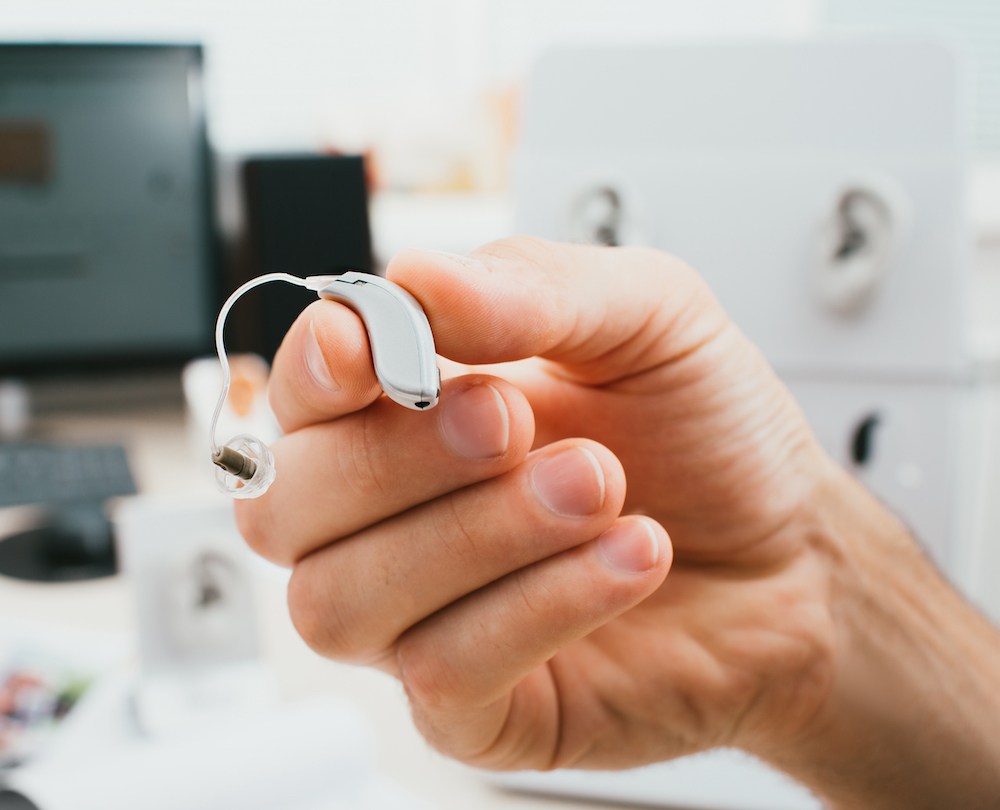
Hearing devices or assistive listening tools may also be recommended to support communication in specific situations.

These devices do not fix how the brain processes sound, but they can make it easier to hear speech and important details in classrooms, workplaces or social settings. Choosing the right device usually involves working closely with an audiologist to match it to your needs.

Therapy approaches can include exercises designed to improve auditory processing skills. This may involve tasks that train the brain to separate speech from background noise, track multiple speakers or recognize patterns in sound

Finding the Right Treatment for You

Living with auditory processing challenges can feel frustrating at times but knowing what’s happening makes a big difference.

Once you understand how your brain is interpreting sound, you can start to recognize why certain conversations or environments feel harder to follow. This awareness allows an audiologist to adjust how you listen, use strategies that work for you and create situations where communication is more manageable.

Working with a qualified audiologist can guide you through this process and provide tools tailored to your needs. With the right support, you can approach daily interactions with more confidence, whether at work, in the classroom or during social gatherings.

Taking steps to address auditory processing challenges helps you stay engaged, follow conversations more comfortably and reduce the stress that comes with trying to keep up.