When a child does not respond to sounds as expected or misses early speech and language milestones, it can be hard to know if this is part of normal development or a sign of hearing loss that needs attention.

Pediatric hearing assessments are designed to answer that question in a clear and reliable way. These tests use age appropriate methods to show how well your child hears different sounds.

When hearing loss is found early, you can act before it affects speech, learning and social skills. With timely testing and follow up, many children stay on track in school and daily life.

How Children Develop Hearing and Speech Skills

Children develop hearing and speech skills through a combination of listening experiences and practice with sounds and language. From the earliest months, babies start picking up on the rhythms, tones and patterns of speech around them.

They learn to recognize voices, respond to sounds and gradually imitate the noises they hear. As children grow, these listening experiences help them connect sounds to meaning, which is essential for understanding language and communicating effectively.

Speech development builds on these hearing skills as children practice forming words, combining them into sentences and learning how to use language in social settings. Consistent exposure to conversations, reading and interactive play supports both comprehension and articulation.

Interruptions in hearing, even mild ones, can slow this process because the brain relies on clear sound input to learn how language works. Early support and monitoring of hearing help ensure children develop strong listening and speech abilities during these critical learning years.

Early Signs of Hearing Loss in Babies and Young Children

Early signs of hearing loss in babies and young children can be subtle but noticing them quickly can make a big difference.

Some children may not startle or respond to sudden loud noises, fail to turn toward familiar voices or show limited babbling and cooing compared to peers. As toddlers, they might have trouble learning new words, frequently ask for repetition or seem unaware of sounds in their environment, like a ringing phone or a doorbell.

Recognizing these signs early allows parents and caregivers to seek evaluation and support, giving children the best chance to develop speech, language and listening skills alongside their peers.

Types of Pediatric Hearing Tests for Different Age Groups

Pediatric hearing tests vary depending on a child’s age and ability to respond. For newborns and infants, tests often measure how the ear and auditory nerve respond to sounds without requiring active participation, using methods like otoacoustic emissions or auditory brainstem response.

Toddlers and preschoolers may be asked to respond to sounds with simple actions, like pointing to a toy or pressing a button when they hear a tone.

Older children can usually participate in more traditional hearing tests, where they indicate when they hear different pitches and volumes through headphones. Tailoring the test to a child’s developmental stage ensures accurate results while keeping the process comfortable and manageable for both the child and parents.

What to Expect During Your Childs Hearing Test

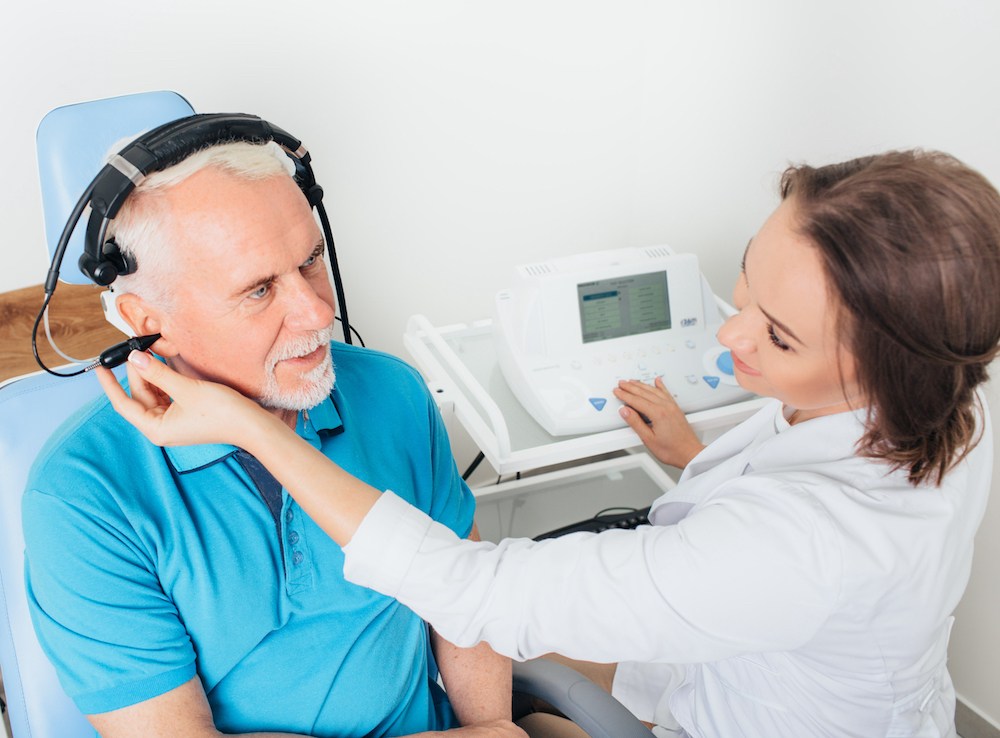
When your child goes in for a hearing test, knowing what will happen can help them feel more at ease and make the process go smoothly. Audiologists use age-appropriate techniques to evaluate how well your child hears and responds to sounds.

Common steps may include:

  • Observing your child’s reactions to different tones or noises.
  • Using small toys, lights or buttons to engage toddlers and preschoolers.
  • Placing headphones on older children for standard hearing tests that measure pitch and volume perception.
  • Checking the middle ear and ear canal for any blockages or fluid that could affect hearing.

How Audiologists Review and Explain Test Results

After your child’s hearing test, your audiologist will go over the results with you in a way that is easy to understand.

They explain what the numbers and charts mean, highlight any areas where your child’s hearing may differ from typical ranges and clarify how the findings relate to your child’s listening.

An audiologist also answers questions about what the results suggest for next steps, whether that involves further testing, monitoring or exploring options to support your child’s hearing. This conversation helps you feel informed and confident about your child’s hearing health and any actions that may be needed.

When to Schedule Follow-Up Hearing Checks for Your Child

Follow-up hearing checks for your child are important for keeping track of how their hearing develops over time, especially if any issues were noted in previous tests.

Audiologists usually recommend scheduling these check-ins at regular intervals, which can vary based on age, risk factors or the results of the first evaluation. During follow-ups, your audiologist reviews the previous test results and compares them with the current findings to see if there have been any changes or improvements.

This helps parents understand exactly what the numbers and observations mean for their child’s hearing and communication skills. These visits also give an opportunity to ask questions and clarify any concerns about how your child is responding to sounds.

Your audiologist will explain the results in clear, understandable terms, highlighting what the test shows about your child’s hearing range, sensitivity and any areas that may need attention.

Having this information allows you to make informed decisions about next steps, whether that’s continued monitoring, additional testing or supportive strategies to help your child engage fully in learning and social activities.

Taking Confident Next Steps for Your Childs Hearing Health

Pediatric hearing assessments give you a clearer picture of how your child is hearing during important years for speech, learning and friendships. Feeling unsure about what you notice at home is common, and you do not need to sort through those questions on your own.

If you have noticed changes in how your child responds to sound, or if something does not feel quite right, consider arranging a pediatric hearing assessment with an audiologist.