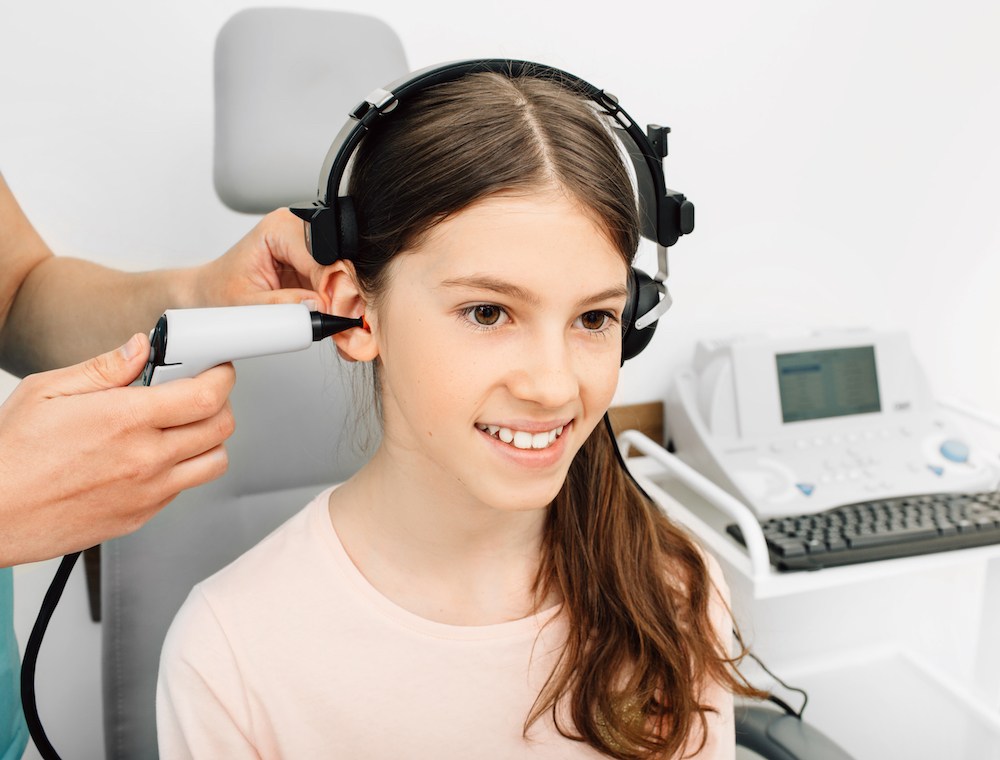
When you notice changes in your hearing, one of the first steps is often a hearing test. Not all hearing tests are the same, and each one provides different information about your hearing abilities and possible causes of any difficulties.

Understanding the types of tests available and what they measure can help you feel more at ease when you visit an audiologist. This knowledge allows you to take an active role in your care and work with an audiologist to find solutions that fit your needs.

Why Regular Hearing Tests Support Your Overall Health

Regular hearing tests do more than check how well you respond to sound.

They also give you a clearer picture of your overall health. Subtle changes in hearing can happen slowly, so routine testing helps you stay aware of what is normal for you and notice shifts early.

Your hearing is closely connected to communication and safety in daily life, so staying on top of it supports your well-being. Making hearing tests part of your regular health care, you give yourself the chance to address concerns sooner and keep enjoying the conversations and connections that matter most.

How Hearing Tests Measure Different Aspects of Your Hearing

Hearing tests look at several parts of your hearing, not just whether you can hear soft sounds.

Some tests measure how well you hear different pitches, while others check how clearly you understand words when people speak. There are also tests that look at how your ears respond to sounds and how well sound moves through your ear.

An audiologist may use a mix of these tests to get a complete picture of your hearing health. For example, pure-tone testing finds the quietest sounds you can hear at different pitches. Speech testing shows how well you understand speech in quiet and noisy places.

What Happens During a Pure-Tone Hearing Test

During a pure-tone hearing test, you sit in a quiet room and wear headphones. An audiologist will then play a series of beeps or tones at different pitches and volumes.

You are asked to raise your hand or press a button each time you hear a sound, even if it is very soft. This helps find the quietest sounds you can hear at each pitch.

The results are marked on a chart called an audiogram, which shows your hearing levels for each ear. Knowing what to expect during this test can help you feel more comfortable and confident about caring for your hearing.

How Speech Recognition Tests Assess Word Understanding

Speech recognition tests check how well you can hear and repeat spoken words. An audiologist will say a list of words, and you are asked to repeat each one as clearly as possible.

These tests often use both quiet and noisy backgrounds to see how well you understand speech in different situations. This helps your audiologist learn if background noise makes it harder for you to follow conversations.

Your results show which types of words or sounds are most difficult for you to hear. This information helps suggest the best solutions for your needs.

How Middle Ear Tests Help Identify Causes of Hearing Loss

Middle ear tests provide important details about how well your middle ear is working. These tests can show if there are issues like fluid behind the eardrum, problems with the tiny bones in your ear or a hole in the eardrum.

Middle ear tests can check for:

  • Fluid buildup that may be causing hearing loss.
  • Stiffness or movement problems with the small bones in the middle ear.
  • Holes or tears in the eardrum.
  • Unusual pressure inside the middle ear.

Otoacoustic Emissions (OAE) Testing

Otoacoustic emissions (OAE) testing checks how well the tiny hair cells in your inner ear are working. During this test, a small probe is placed in your ear canal. The probe plays soft sounds and measures the response from your inner ear.

If the hair cells are healthy, they create an echo that the probe can detect. If there is no echo, it may mean there is damage to these cells or a blockage in the ear canal. OAE testing is quick and comfortable. It is often used for newborns and children who may have trouble with other types of hearing tests.

How Tympanometry Measure Eardrum Movement

Tympanometry measures how well your eardrum moves when air pressure changes in the ear canal. A soft tip is placed in your ear, and gentle air pressure is applied.

This test can show if there are problems like fluid behind the eardrum, earwax buildup or a tear in the eardrum. The results from tympanometry help an audiologist understand if your middle ear is working properly.

This test only takes a few minutes and does not cause pain. Tympanometry is useful for finding causes of hearing loss related to middle ear problems.

How Results from Various Tests Guide Future Care Plans

The results from your hearing tests help shape the next steps in your care. It is helpful to bring a list of questions to your appointment and write down any changes you notice in your hearing between visits.

An audiologist uses information from different tests to create a plan that fits you best. This might include recommending hearing aids, sharing tips for better communication or suggesting more check-ups if needed.

Staying involved and asking questions, you help ensure your care matches what you need most. Each test result adds important details that help create a clear plan for your hearing health.

Important Questions to Discuss with Your Audiologist About Test Choices

When talking with a local audiologist, it is helpful to ask why certain tests are being recommended for you. Each test provides different information about your hearing, so understanding the reasons behind these choices can help you feel more comfortable and involved in your care.

Ask what each test will measure and how the results might affect your care plan. Write down any questions before your visit, like whether a test will be uncomfortable or how long it will take.

If something is unclear, ask for a simple explanation. Being open about your concerns helps make sure you get the information and support you need during your appointment.

Taking the Next Step Toward Better Hearing Health

Learning about the different types of hearing tests can help you feel more confident and prepared when caring for your hearing.

Each test gives important details about how you hear and what might be causing any changes. When you know what to expect, it becomes easier to work with an audiologist and make choices that support your health.

If you have noticed changes in your hearing or have questions about which tests may be right for you, schedule an appointment with an audiologist. Taking this step supports both your hearing and your overall well-being.